
A Faster Way To Try
The experience is designed to feel effortless from the first interaction. Customers can step into the experience, choose a product, select a colour or variation, and see it applied to them in seconds.
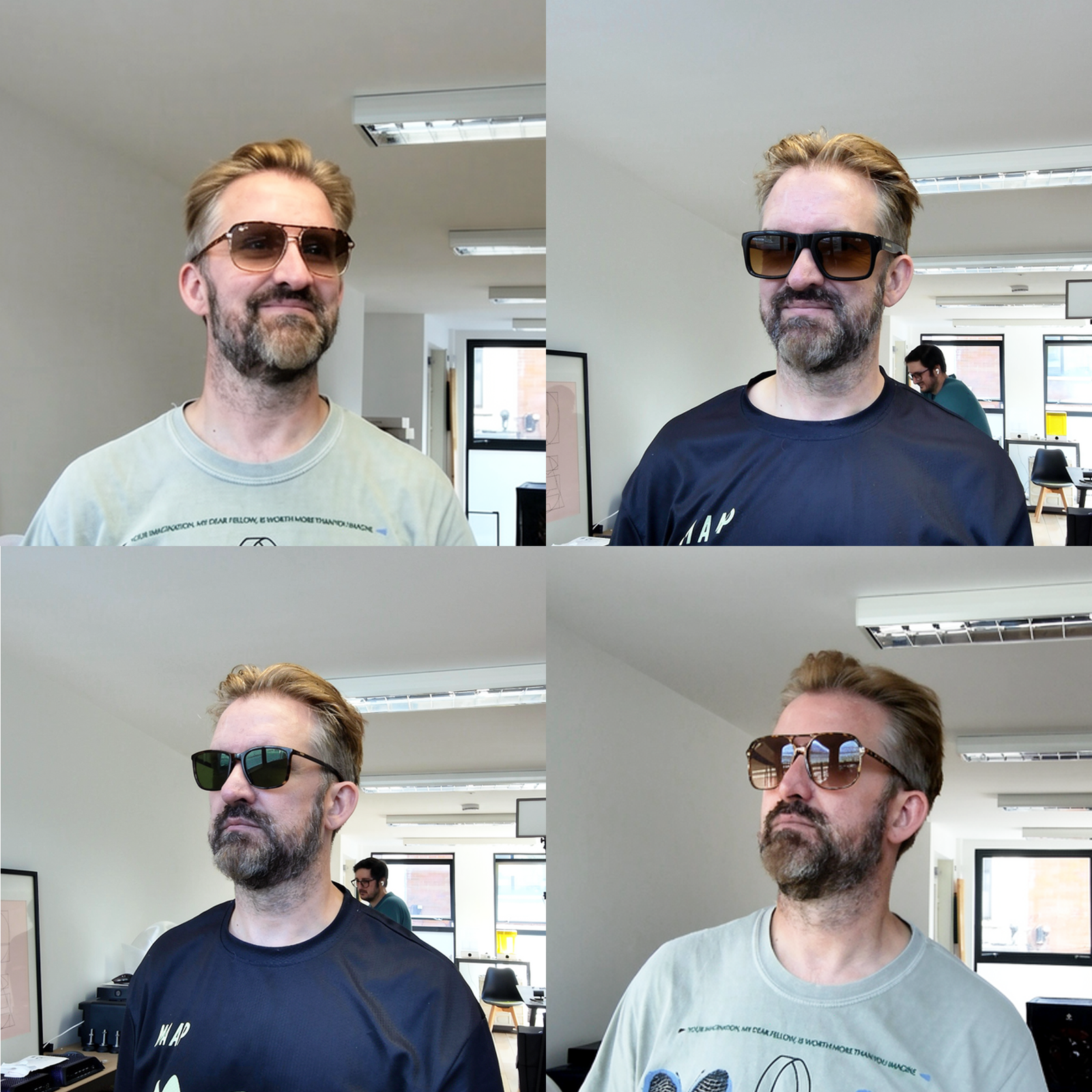
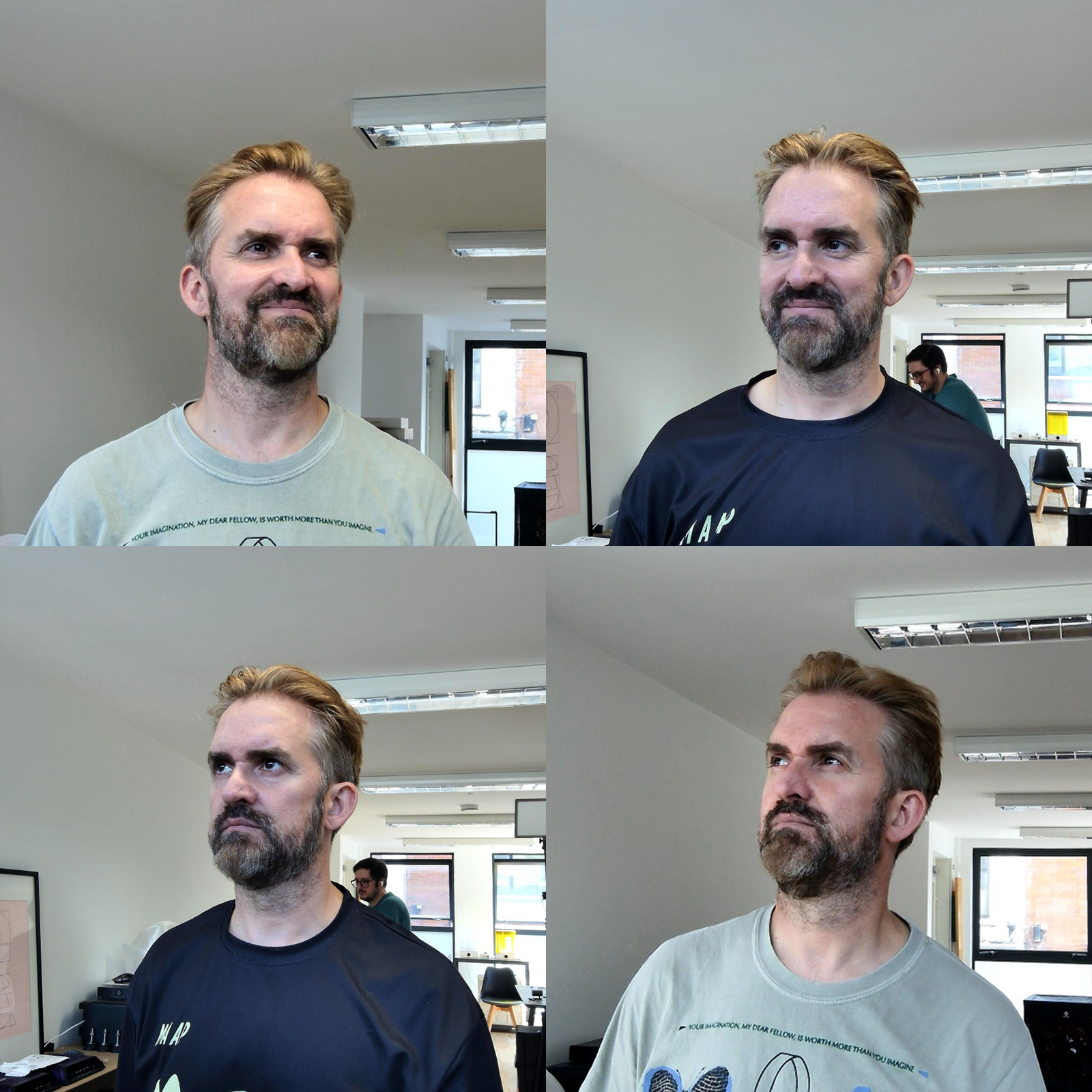
We built the system from the ground up to work across different product types, including garments, footware and glasses. For garments, customers can try on different styles and colourways without needing to physically change. For glasses, the experience allows them to quickly explore frames and variations in a way that feels natural, responsive and easy to compare.
This speed is important. Virtual try-on only works in retail if it feels immediate. The interaction needs to keep up with the pace of the shopper, reducing friction rather than adding another step into the journey.
From Try-On To Checkout
The experience is built to keep the path to purchase as simple as possible. Once a customer has found the product and variation they like, they can scan a QR code that takes them directly to a pre-populated shopping cart.
This makes the final step feel natural and low effort. The customer does not need to search again, rebuild the product selection or manually find the right colour or size. Everything they have chosen is carried through into checkout, creating a smoother route from discovery to purchase.
By removing those small points of friction, the experience becomes more than a playful try-on. It becomes a practical retail tool that can support conversion and make the shopping journey feel easier.
Inventory Without Inventory
As physical retail continues to evolve, we wanted to explore how AI could unlock a new layer of product discovery. One that feels playful and immediate for customers, but also solves a real retail challenge for brands.
A store cannot always carry every size, every colour or every product variation, but a digital layer can make those options instantly available. If a customer likes a product but wants to see it in another colour, size or variation, they can scan the product barcode and instantly try the version they are interested in.
This gives brands a way to connect physical browsing with a much deeper digital inventory. The store no longer needs to hold every possible option to make those options feel available. Instead, the physical product becomes a starting point, with digital opening up the full range around it.
Retail Beyond The Store
The prototype also opens up opportunities beyond traditional retail environments. Because the experience does not rely on a full physical inventory, brands can appear in more unexpected spaces.
A store window, pop-up, event space or even a vacant retail unit can become an active shopping experience. Customers can discover a look, try on different variations, and move straight into checkout through a simple QR code scan.
This creates a new kind of retail presence. One that is smaller, more flexible and more responsive, but still capable of driving meaningful engagement and sales. When retail space is at a premium, the smallest spaces can sometimes create the biggest impact.
A More Useful Layer Of Digital
The goal of this prototype was to explore how new approaches can make retail feel more responsive, more useful and more personal.
At one level, virtual try-on is playful. It gives customers a quick and enjoyable way to see themselves in a product. But underneath that is a more meaningful opportunity: using digital to remove limitations from the physical store.
By combining rapid image creation, custom tracking, barcode scanning and a direct path to checkout, the experience creates a new layer between product discovery and purchase. One that feels light for the customer, but powerful for the brand.